
Splicing & Rigging
Precision in Trim and Control
Splicing & Whipping is all about trim, control, and reliable power transmission on board.
When choosing, breaking strength, diameter, and compatibility with your existing hardware are key. Ball bearings run smoothly under load, while plain bearings are robust and low-maintenance.
This ensures sail operation remains precise, smooth, and durable.
Discover variants, materials, and designs built for marine use. This way, you'll find equipment that remains reliable on board – season after season.
Skip to product grid
-
 Vendor:Gotthardt
Gotthardt Sail Needle Set – 5 pieces in different sizes
Regular price €8,50Regular price€8,50Sale price €8,50 -
 Vendor:Gotthardt
Gotthardt Marlspike – Stainless Steel with Wooden Handle
Regular price From €7,90Regular price€7,90Sale price From €7,90 -
-€2,52
 Vendor:Gotthardt
1852 Splicing Set – 4 Hollow Needles 6–14 mm + Splicing Needle
Regular price €13,38Regular price€15,90-€2,52 Sale price €13,38 -
 Vendor:Gotthardt
Gotthardt Heat Shrink Sleeves for Rope Ends – Set of 6
Regular price From €7,90Regular price€7,90Sale price From €7,90 -
-€2,00
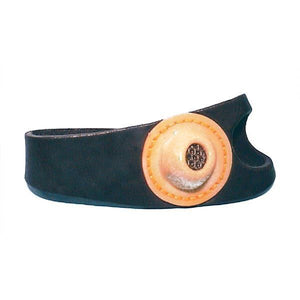 Vendor:Gotthardt
sailmaker's glove
Regular price €37,50Regular price€39,50-€2,00 Sale price €37,50 -
-€19,80
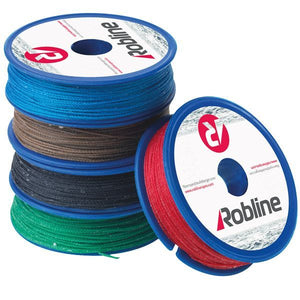 Vendor:Robline
Robline waxed rigging twine D=0.8mm L=80m Box of 10 rolls assorted colors
Regular price €58,70Regular price€78,50-€19,80 Sale price €58,70 -
 Vendor:1852
1852 Replacement Charger for 1852 Rope Cutter Battery
Regular price €19,90Regular price€19,90Sale price €19,90 -
 Vendor:1852
1852 Replacement Battery 20 V / 2 Ah for Rope Cutter 1397210
Regular price €49,90Regular price€49,90Sale price €49,90 -
-€2,05
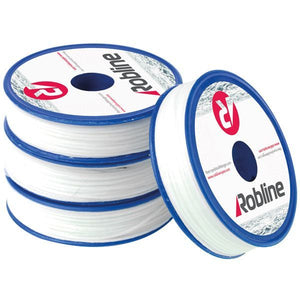 Vendor:Robline
Robline waxed rigging twine D=1mm L=46m carton of 10 rolls white
Regular price €74,85Regular price€76,90-€2,05 Sale price €74,85 -
-€11,92
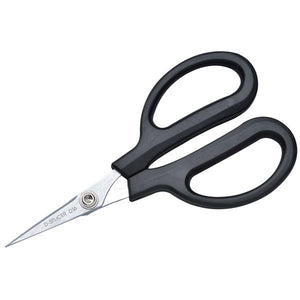 Vendor:Robline
Robline scissors for Dyneema rope
Regular price €49,98Regular price€61,90-€11,92 Sale price €49,98 -
-€17,90

 Vendor:1852
1852 Cordless Rope Cutter – Hot Knife 20 V / 2 Ah in Case
Regular price €142,00Regular price€159,90-€17,90 Sale price €142,00 -
 Vendor:Marlow
Marlow Splicing Needle – Tool for easy rope splicing
Regular price From €19,90Regular price€19,90Sale price From €19,90 -
 Vendor:Marlow
Marlow Marlspike with Wooden Handle – Splicing Tool Made of Stainless Steel
Regular price From €20,90Regular price€20,90Sale price From €20,90 -
-€5,87
 Vendor:Marlow
Marlow Kiteline Splicing Needle - for thin kitelines from 1.5 mm
Regular price €47,03Regular price€52,90-€5,87 Sale price €47,03 -
 Vendor:Marlow
Marlow Splicing Guide – Illustrated Practical Guide to Rope Splicing
Regular price €36,90Regular price€36,90Sale price €36,90 -
 Vendor:Marlow
Marlow Wire Splicing Needle – Multi-purpose splicing needle for small lines
Regular price €30,90Regular price€30,90Sale price €30,90 -
-
-€0,48
 Vendor:Robline
Robline waxed rigging twine D=0.8mm L=80m with sail needle
Regular price €13,02Regular price€13,50-€0,48 Sale price €13,02


Deine Fragen / Unsere Antworte
- What fid do I need for a 10mm double-braid line?
- As a rule of thumb, the fid should be about 1.5 times the diameter of the line – so about 15mm outside diameter for a 10mm line. Check the manufacturer's specifications for the fid, which usually state the diameter range it's designed for.
- Can I splice Dyneema rope in the same way as regular polyester rope?
- No – Dyneema has no stretch and a very smooth surface, which means a simple eye splice without sufficient tuck length can slip out under load. Special splicing techniques with longer tucks exist for Dyneema; stick to the rope manufacturer's instructions.
- How long should whipping on a rope end last?
- A neatly applied whipping made of waxed polyester twine will last a whole season and often longer under normal conditions. Critical areas – for example, ends that constantly run through cleats or blocks – should be checked once per season and re-whipped if necessary.
- Do I always have to heat-seal rope ends, or is whipping enough?
- Heat-sealing and whipping are not mutually exclusive – often, both are useful. Heat-sealing melts the fibers together and prevents fraying, but it doesn't protect against abrasion. An additional whipping keeps the surface smooth and significantly extends the life of the end.