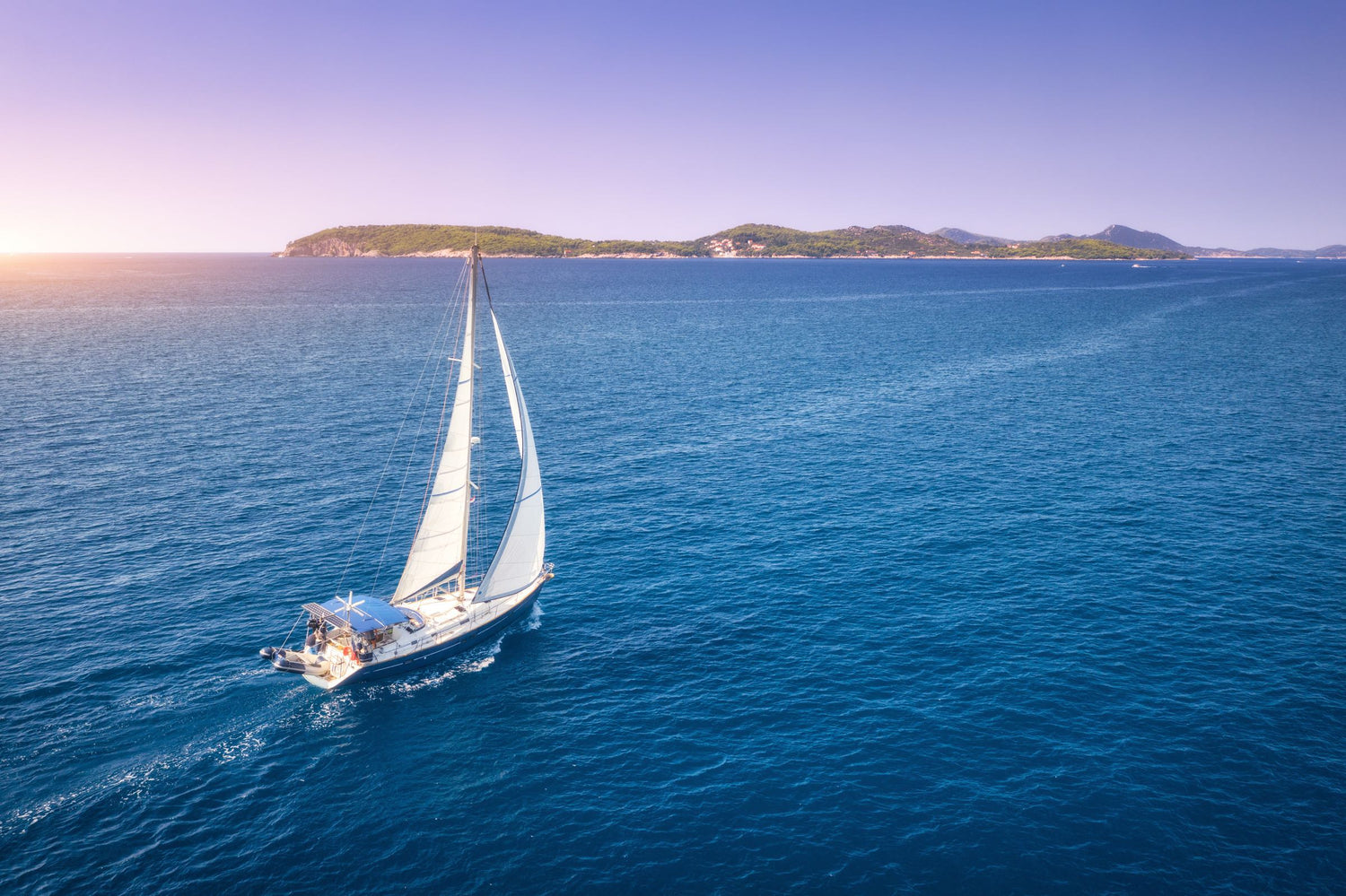
sun protection
Ensure protection and comfort in everyday life
Precise dimensions, UV resistance, and secure fastening determine fit and lifespan.
Materials should be salt- and weather-resistant to ensure longevity.
This keeps everything on board protected, tidy, and comfortable.
Discover variants, materials, and designs built for marine use. This way, you'll find equipment that remains reliable on board – season after season.
Skip to product grid
-
-€7,18

 Vendor:Gotthardt
Gotthardt Cockpit Sun Awning triangular – Protection from Sun, Rain & Wind
Regular price From €57,72Regular price€64,90-€7,18 Sale price From €57,72 -

 Vendor:Palby
Watski Sun Shade – self-supporting sun sail for hanging on the halyard
Regular price €160,90Regular price€160,90Sale price €160,90 -
-€2,63
 Vendor:Gotthardt
Gotthardt Bimini Top Mounting Kit - Fasteners, Screws & Plastic Brackets
Regular price €48,27Regular price€50,90-€2,63 Sale price €48,27 -
-€0,70
 Vendor:Gotthardt
Gotthardt Bimini Top Mounting Kit – Straps
Regular price €19,80Regular price€20,50-€0,70 Sale price €19,80 -
-€14,36

 Vendor:Gotthardt
Gotthardt Cockpit Sun Shade Rectangular - Waterproof 600D Polyester
Regular price €115,54Regular price€129,90-€14,36 Sale price €115,54


Deine Fragen / Unsere Antworte
- What UPF rating is recommended for sun protection on board?
- On the water, UV exposure is particularly high due to reflections from the water, so materials with UPF 50+ are advisable. This value means that less than 2% of UV radiation penetrates the fabric – but this only applies to the fabric itself, not to gaps at edges or attachment points.
- How do I securely attach a sun awning on board without overloading the fittings?
- Sun awnings should always be anchored at several points to distribute the load. If possible, use existing shrouds, stays, or cleats as attachment points – direct fastening with thin lines or provisional hooks will quickly lead to torn eyelets or damaged fastenings in windy conditions.
- Can I leave cockpit canopy fabrics outside in winter?
- That depends on the material and the quality of the seams. Generally: Even high-quality fabrics age faster if they are unnecessarily exposed to UV radiation and frost. If you winterize your boat, you should remove canopies and sun awnings, store them dry, and check fittings for corrosion.
- Don't synthetic sun protection covers eventually get moldy anyway?
- Synthetic fabrics like polyester or acrylic are naturally less prone to mold than natural fibers, but they are not mold-proof. Dirt and organic residues on the surface provide enough breeding ground for mold spores – regular rinsing with clear water and dry storage reliably prevent this.