
Pods
Bring Trim and Control to a Fine Point
Sheets are all about trim, control, and reliable power transmission on board.
When choosing, breaking load, diameter, and compatibility with your existing hardware are important. Ball bearings run smoothly under load, while plain bearings are robust and low-maintenance.
This ensures that sail handling remains precise, smooth, and durable.
Discover variants, materials, and designs built for marine use. This way, you'll find equipment that remains reliable on board – season after season.
Skip to product grid
-
-€0,10
 Vendor:Marlow
Marlow Excel Fusion – ultra-lightweight Dyneema sheet with high abrasion resistance
Regular price From €4,55Regular price€4,65-€0,10 Sale price From €4,55 -
-€0,10
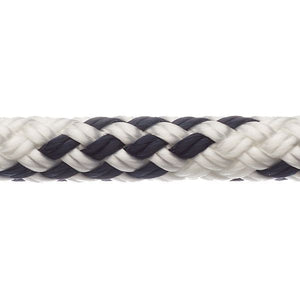 Vendor:Robline
Robline Sirius 300 universal leash polyester white/blue
Regular price From €326,80Regular price€326,90-€0,10 Sale price From €326,80 -
-€17,99
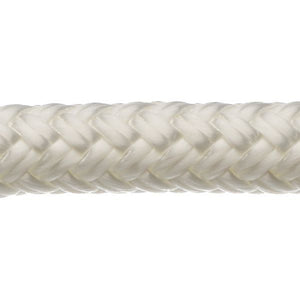 Vendor:Robline
Robline Orion 300 all-round leash white L=200m
Regular price From €160,91Regular price€178,90-€17,99 Sale price From €160,91 -
-€98,98
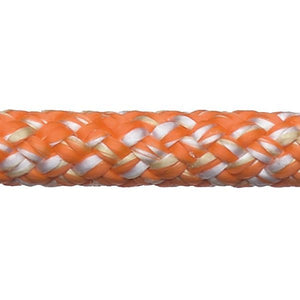 Vendor:Robline
Robline Super Dinghy Sheet white/orange L=100m
Regular price From €343,92Regular price€442,90-€98,98 Sale price From €343,92 -
-€32,79
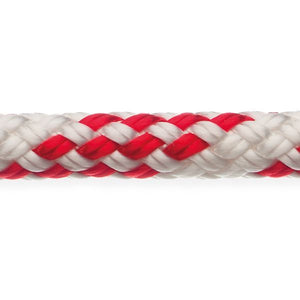 Vendor:Robline
Robline Sirius 300 universal leash polyester white/red
Regular price From €294,11Regular price€326,90-€32,79 Sale price From €294,11

Deine Fragen / Unsere Antworte
- What diameter sheet is right for my boat?
- That depends primarily on your existing hardware: blocks, cleats, and sheet guides each have an allowable diameter range, which is stated in the manufacturer's specifications. As a rule of thumb, a sheet should also feel good in your hand – for most cruising yachts, this is between 10 and 14 mm.
- What is the difference between a polyester sheet and a sheet with a Dyneema core?
- Polyester stretches a bit more under load, but it is robust, UV-resistant, and significantly cheaper. Dyneema in the core significantly reduces stretch and saves weight, which is particularly noticeable on mainsails and headsails on sportier boats. For cruising sailors, polyester is perfectly adequate for most applications.
- How long does a mainsheet need to be?
- There is no universal answer to this, as mast position, boom height, and block setup determine it. Measure your existing sheet, add some reserve for knots and splices, and check if you can still secure it properly when the sail is fully eased. When in doubt, it's better to buy 1–2 meters more and shorten it.
- How do I know when a sheet needs to be replaced?
- Frayed or burst cover, permanent kinks, a core that has become stiff or lumpy, and visible graying due to UV damage are clear signs. Also, if a sheet shows significantly more stretch under working load than before, the core is likely fatigued.