
Pump
Ensure supply and comfort on board
Supply and comfort on board depend on suitable connections, material compatibility, and the correct flow rate.
For drinking water products, you should pay attention to appropriate approvals. For gas, safety comes first.
This keeps the system sealed, clean, and reliable.
Discover variants, materials, and designs built for marine use. This way, you'll find equipment that remains reliable on board – season after season.
Skip to product grid
-
-€1,03
 Vendor:Gotthardt
Gotthardt Control Panel for Bilge Pumps – LED Indicator & Acoustic Alarm
Regular price €35,87Regular price€36,90-€1,03 Sale price €35,87 -
-€0,70
 Vendor:Gotthardt
Gotthardt Bilge Pump Switch Panel – Watertight, 3-Way Switch with LED
Regular price €20,80Regular price€21,50-€0,70 Sale price €20,80 -
-€0,10
 Vendor:Gotthardt
Gotthardt Switch Panel for Bilge Pumps – with LED Indicator and Toggle Switch
Regular price €20,80Regular price€20,90-€0,10 Sale price €20,80 -
-€13,00
 Vendor:Gotthardt
Gotthardt Waste Tank Gauge with Sensor – 12/24 V, Tank Depth 15–55 cm
Regular price €97,90Regular price€110,90-€13,00 Sale price €97,90 -
-€3,95
 Vendor:Jabsco
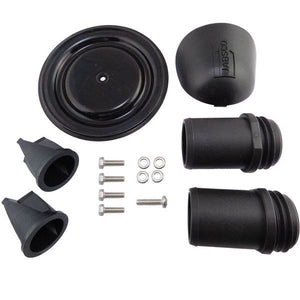
Jabsco service kit for sewage diaphragm pump
Regular price €34,55Regular price€38,50-€3,95 Sale price €34,55 -
 Vendor:Jabsco
Jabsco Mounting Bracket for Rule Submersible Pump D360–1100 GPH (up to 2018 model year)
Regular price €15,90Regular price€15,90Sale price €15,90 -
-€9,46
 Vendor:Jabsco
Jabsco Mounting Bracket for Rule Submersible Pump - Flexible Installation Aid for 360–1100 GPH
Regular price €29,04Regular price€38,50-€9,46 Sale price €29,04 -
-€3,00
 Vendor:Jabsco
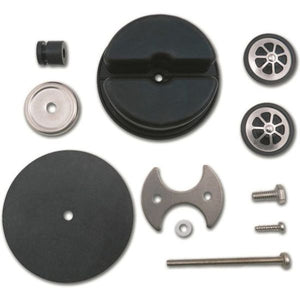
Jabsco service kit for 1200485 and 1200486
Regular price €97,90Regular price€100,90-€3,00 Sale price €97,90 -
 Vendor:Gotthardt
Gotthardt Rubber Diaphragm for Bilge Pump 1200740 – Replacement Diaphragm
Regular price €9,50Regular price€9,50Sale price €9,50 -
-€2,01
 Vendor:Gotthardt
Gotthardt Hand Bilge Pump - Manual Bilge Pump with Hose
Regular price €37,49Regular price€39,50-€2,01 Sale price €37,49 -
-€2,27
 Vendor:Jabsco
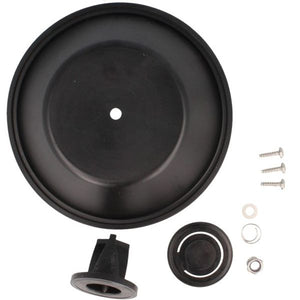
Jabsco Service Kit for Manual Boiler Amazon Universal 1200835
Regular price €54,23Regular price€56,50-€2,27 Sale price €54,23 -
-€55,11
 Vendor:Jabsco
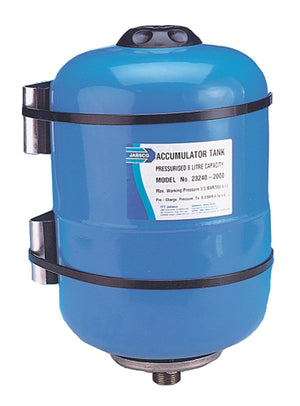
Jabsco pressure equalization tank 8.0l, 3/4" threaded connection
Regular price €200,79Regular price€255,90-€55,11 Sale price €200,79 -
-€12,29
 Vendor:Rule
Rule Intake Strainer for Bilge Pumps 1500–2000 GPH – Genuine Spare Part
Regular price €30,61Regular price€42,90-€12,29 Sale price €30,61 -
-€13,20
 Vendor:Jabsco
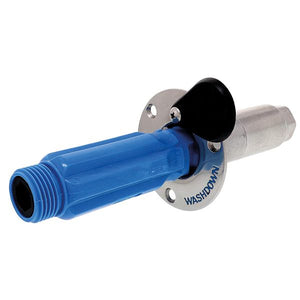
Jabsco quick-release coupling for deck wash pump, inlet 1/2", outlet 3/4".
Regular price €118,70Regular price€131,90-€13,20 Sale price €118,70 -
-€5,24
 Vendor:MEDAS
MEDAS Submersible Pump MQ400 – 7300 l/h, 250 W, 230 V with Level Switch
Regular price €80,26Regular price€85,50-€5,24 Sale price €80,26 -
-€23,72
 Vendor:Kirk
Kirk automatic switch 20A 12/24V
Regular price €329,18Regular price€352,90-€23,72 Sale price €329,18 -
-€0,59
 Vendor:Gotthardt
Gotthardt Rubber Diaphragm for Bilge Pump 1200750 – Replacement Diaphragm
Regular price €15,91Regular price€16,50-€0,59 Sale price €15,91 -
-€2,11
 Vendor:Jabsco
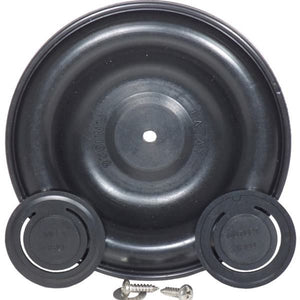
Jabsco Service Kit for Manual Boiler Amazon 1200830
Regular price €54,39Regular price€56,50-€2,11 Sale price €54,39


Deine Fragen / Unsere Antworte
- What flow rate do I need for a bilge pump?
- That depends on the boat size and the potential water ingress. As a rule of thumb: For boats up to about 10 m, a pump with 1,500 to 2,500 l/h is often sufficient; larger yachts should plan for a significantly stronger pump or a second one as a reserve. The actual delivery head to the outlet is also important, as this reduces the real performance.
- Does a drinking water pump need a special certification?
- Yes. For drinking water on board, the pump and all water-carrying components should have a drinking water certification, often according to WRAS or comparable standards in Europe. Without this approval, plastics can release harmful substances – this is usually clearly stated in the product specifications.
- Can I operate a 12V pump on a 24V electrical system?
- No, this usually destroys the pump immediately. You need a pump that is explicitly designed for 24V, or a voltage converter – although the latter is an additional source of error.
- How often should I check the diaphragm of a pressurized water pump?
- A visual inspection at the beginning and end of the season is advisable – diaphragms can become cracked, especially if the pump was stored dry over winter or exposed to frost. If the pump runs unevenly or loses pressure during operation, the diaphragm is often the first suspect.