
gas
Ensure supply and comfort on board
Supply and comfort on board depend on suitable connections, material compatibility and the correct flow rate.
For drinking water products, you should pay attention to appropriate approvals. For gas, safety comes first.
This keeps the system tight, clean and reliable.
Discover variants, materials and designs that are built for maritime use. This way you will find equipment that remains reliable on board - season after season.
Skip to product grid
-
 Vendor:Nuova Rade
Nuova Rade Gas Locker for Installation – Ventilated Gas Box for 3kg Bottles
Regular price €184,90Regular price€184,90Sale price €184,90 -
 Vendor:Gotthardt
Gotthardt Gas Locker for Installation – Plastic Gas Bottle Compartment
Regular price €106,90Regular price€106,90Sale price €106,90 -
 Vendor:Gotthardt
Gotthardt Securing Strap – adjustable holder for gas bottle
Regular price €13,90Regular price€13,90Sale price €13,90 -
 Vendor:Gotthardt
Gotthardt Gas Locker for Installation – Standard-Compliant Bulkhead Mounting According to ISO 10239
Regular price €227,90Regular price€227,90Sale price €227,90 -

 Vendor:Gotthardt
Gotthardt Plastic Ring for CampingGaz Bottles - Non-slip and Impact Protection
Regular price €14,50Regular price€14,50Sale price €14,50 -
 Vendor:IGT
IGT Gas Cylinder Shut-Off Valve – Brass Changeover Valve for Butane Gas
Regular price €15,50Regular price€15,50Sale price €15,50 -
 Vendor:Nuova Rade
Nuova Rade Lock with Keys for Gas Tank – Safety Lock
Regular price €18,50Regular price€18,50Sale price €18,50 -
-€0,10
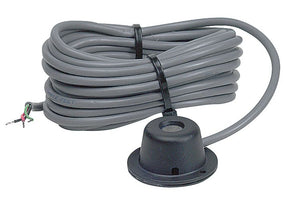 Vendor:BEP
BEP gas warning sensor for gas detector 600-GD/GDL
Regular price €157,80Regular price€157,90-€0,10 Sale price €157,80


Deine Fragen / Unsere Antworte
- How often do I need to change the gas hose on board?
- Gas hoses have a printed expiration date that you should definitely adhere to – generally, the service life is about five years. Regardless, you should replace the hose immediately if it shows cracks, hardening, or visible damage.
- Can I use normal household gas hoses on board?
- No, this is not recommended. For marine use, you should only use hoses that are designed and approved for moisture, salt, and the movements of a boat. Household hoses can age more quickly and leak under these conditions.
- Propane or butane – which is better for boat use?
- Propane has a lower boiling point and works reliably even at cooler temperatures, making it the better choice for use on the water and in the shoulder seasons. Butane becomes less gaseous at temperatures below about five degrees and is therefore more suitable for summer operation.
- How do I check if my gas system is leak-proof after replacing a hose?
- Only use leak detection spray or liquid – apply it to all connections and look for bubbles when the gas valve is open. Never use a flame to check for leaks.