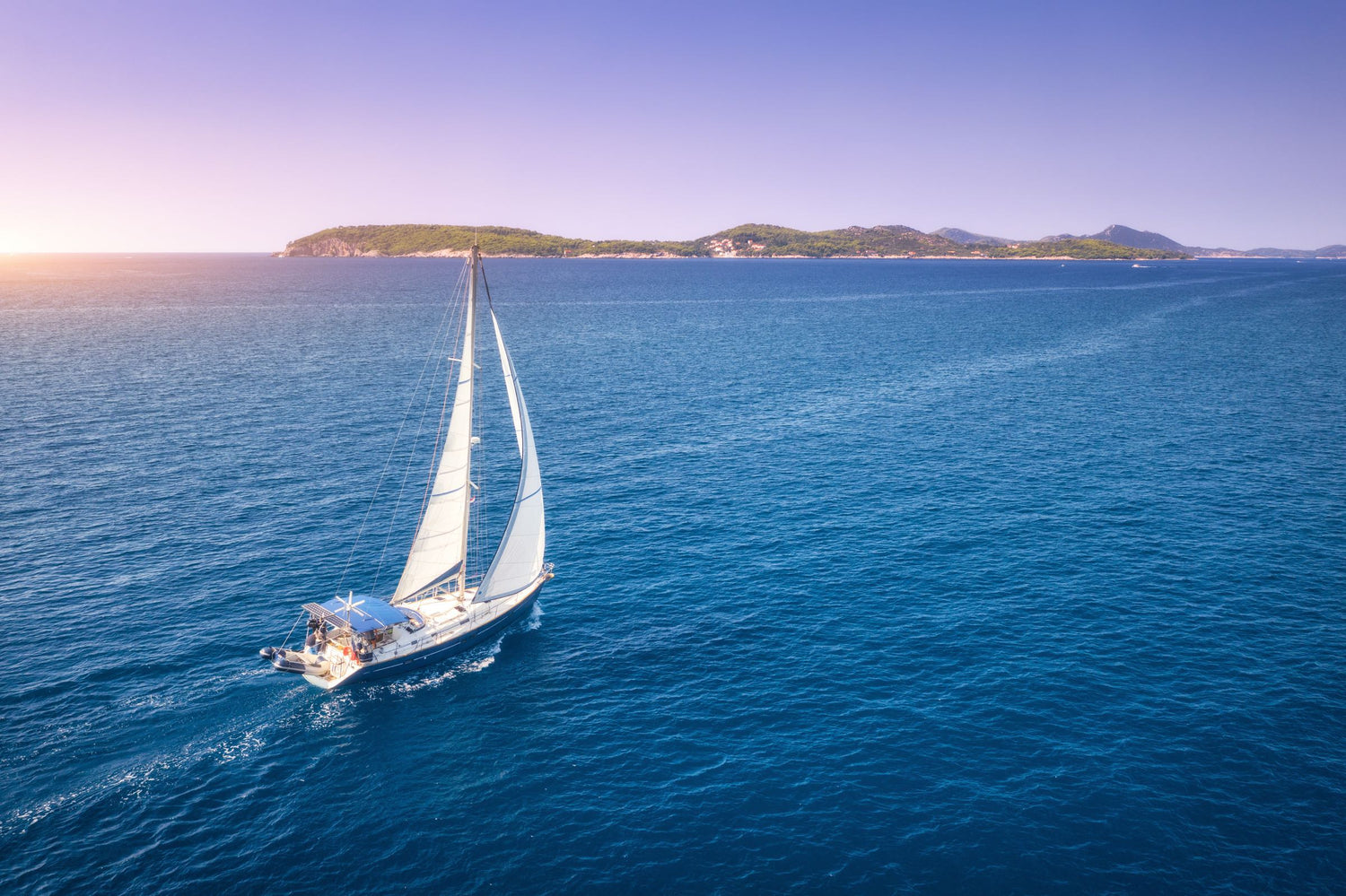
Mooring rope
Find the right solution for your boat
In mooring lines you will find selected products that reliably perform in everyday maritime life. The dimensions, material, and specific application are crucial – you can find this information in the product data.
Browse through variations, compare features, and find the version that truly fits your boat.
This way, the equipment fits not only on paper, but also on board.
Discover variants, materials, and designs built for maritime use. This way, you'll find equipment that remains reliable on board – season after season.
Skip to product grid
-
-€0,10

 Vendor:1852
Robline mooring line with spliced eye – triple braided, UV resistant
Regular price From €18,40Regular price€18,50-€0,10 Sale price From €18,40 -
-€20,60
 Vendor:1852
1852 Mooring Package with Waterproof Bag – Complete Mooring and Anchor Set
Regular price From €184,30Regular price€204,90-€20,60 Sale price From €184,30 -
-€3,25

 Vendor:Unimer
Unimer Snubber – compression-molded EPDM rubber for mooring lines
Regular price From €17,65Regular price€20,90-€3,25 Sale price From €17,65 -

 Vendor:1852
1852 Spring Snubber – black coated steel for mooring lines
Regular price From €5,50Regular price€5,50Sale price From €5,50 -
-€10,10

 Vendor:Unimer
Unimer Ruckdämpfer U-Cleat – flexible EPDM mooring snubber
Regular price From €25,80Regular price€35,90-€10,10 Sale price From €25,80 -
 Vendor:Unimer
Unimer Ruckdämpfer Classic - elastic mooring compensator made of EPDM rubber
Regular price From €7,50Regular price€7,50Sale price From €7,50 -
-€1,10

 Vendor:1852
1852 Spring Snubber galvanized – Shock Absorber for Mooring Lines
Regular price From €8,80Regular price€9,90-€1,10 Sale price From €8,80 -
-€0,10

 Vendor:Unimer
Unimer Smart Snubber Shock Absorber – Snubber for Mooring and Anchor Lines (2-Pack)
Regular price From €19,80Regular price€19,90-€0,10 Sale price From €19,80 -
-€1,70
 Vendor:Robline
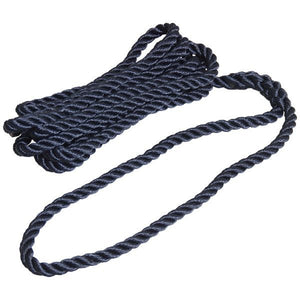
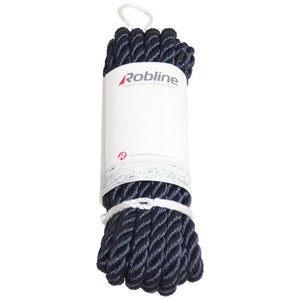
Robline mooring line, triple-stranded, Navy
Regular price From €9,20Regular price€10,90-€1,70 Sale price From €9,20 -
 Vendor:Gotthardt
Gotthardt Spring Dampers – galvanized steel for mooring lines
Regular price From €9,50Regular price€9,50Sale price From €9,50 -
-€0,97

 Vendor:Robline
Robline Mooring Line with Spliced Eye – triple-braided, UV-resistant
Regular price From €9,93Regular price€10,90-€0,97 Sale price From €9,93 -
-€1,48

 Vendor:Robline
Robline Mooring Line with Spliced Eye – Triple Braided Polyester
Regular price From €10,42Regular price€11,90-€1,48 Sale price From €10,42 -

 Vendor:Robline
Robline Mooring Line with Spliced Eye – Triple-Braided Polyester
Regular price From €11,90Regular price€11,90Sale price From €11,90 -
 Vendor:Gotthardt
Gotthardt Mooring Line – 3-strand with spring shock absorber and safety line
Regular price From €38,50Regular price€38,50Sale price From €38,50 -
-€0,10
 Vendor:Robline
Robline Mooring Line – 10 m, three-strand, with spliced eye and chafe guard
Regular price From €22,80Regular price€22,90-€0,10 Sale price From €22,80 -
-€1,00
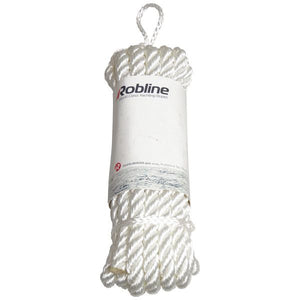 Vendor:Robline
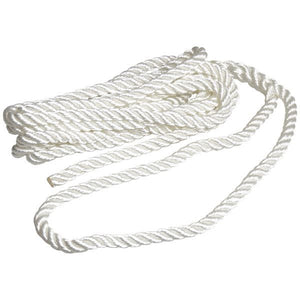
Robline mooring line with eye, triple-stitched, white
Regular price From €7,50Regular price€8,50-€1,00 Sale price From €7,50 -
-€1,48

 Vendor:Robline
Robline Mooring Line Navy – triple braided with spliced eye
Regular price From €10,42Regular price€11,90-€1,48 Sale price From €10,42 -

 Vendor:Waterline Design
Waterline Design Spiroll Rope Protector – Chafe Guard Made of UV-Resistant Polyurethane
Regular price From €18,90Regular price€18,90Sale price From €18,90 -

 Vendor:1852
1852 double braided dock line – polyester with spliced eye
Regular price From €56,50Regular price€56,50Sale price From €56,50


Deine Fragen / Unsere Antworte
- What diameter do I need for my mooring lines?
- That depends on the weight of your boat and the dimensions of your cleats. First, check the maximum diameter your cleats and bollards can accommodate, then choose the strongest line that still runs smoothly. If in doubt, consult your boat's documentation or compare it with existing lines.
- What is the difference between single and double braided rope?
- Single braided lines are cheaper and robust, but can be a bit stiffer. Double braided rope has a braided core and a braided cover – it feels softer in the hand, runs better through fittings, and is often more durable because the core is protected.
- Can I use mooring lines as anchor lines?
- Generally yes, but pay special attention to stretch properties. Nylon has an advantage here because it absorbs jerks when swinging. Polyester hardly stretches and can transfer more stress to the anchor and bow fittings in strong gusts of wind.
- How often should I replace my mooring lines?
- There's no fixed rule, but check your lines at least annually for abrasion, broken fibers, and hardening. Areas that constantly chafe against cleats or bollard edges wear out particularly quickly. When in doubt, it's better to replace them a season early – a broken line is more expensive than a new one.