
Traps
Perfect Trim and Control
Halyards are all about trim, control, and reliable power transmission on board.
When choosing, breaking strength, diameter, and compatibility with your existing hardware are key. Ball bearings run smoothly under load, while plain bearings are robust and low-maintenance.
This ensures sail handling remains precise, smooth, and durable.
Discover variants, materials, and designs built for marine use. This way, you'll find equipment that stays reliable on board – season after season.
Skip to product grid
-
-€1,09

 Vendor:1852
1852 Palby Chafing Gear for Mooring Lines – Rope Chafing Protection 40 × 15 cm
Regular price €18,81Regular price€19,90-€1,09 Sale price €18,81 -
-€0,10
 Vendor:Marlow
Marlow D2 Racing – High-Performance Rope with Dyneema SK78 Core
Regular price From €4,95Regular price€5,05-€0,10 Sale price From €4,95 -

 Vendor:Marlow
Marlow Blue Ocean Doublebraid - Recycled Polyester Double Braid by the Meter
Regular price €2,70Regular price€2,65Sale price €2,70 -

 Vendor:Marlow
Marlow D2 Club – Dyneema Core Rope by the Metre
Regular price From €5,10Regular price€5,10Sale price From €5,10 -
-€48,30
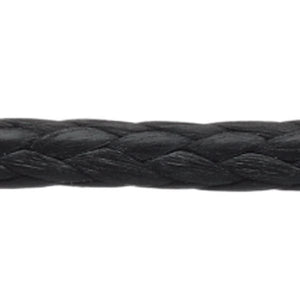 Vendor:Robline
Robline Ocean 3000 XG Dyneeman black L=200m
Regular price From €167,60Regular price€215,90-€48,30 Sale price From €167,60 -
-€24,09
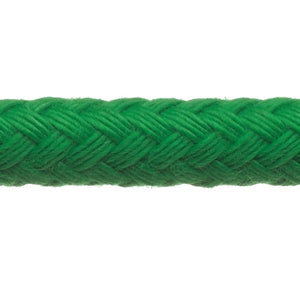 Vendor:Robline
Robline Neptun 24 Universal leash green
Regular price From €215,81Regular price€239,90-€24,09 Sale price From €215,81 -
-€92,69
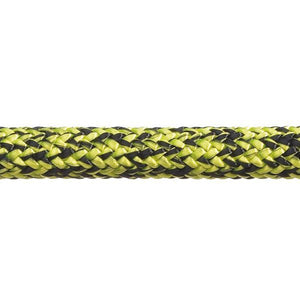 Vendor:Robline
Robline Admiral 7000 Dyneema black/yellow
Regular price From €833,21Regular price€925,90-€92,69 Sale price From €833,21 -
-€33,29
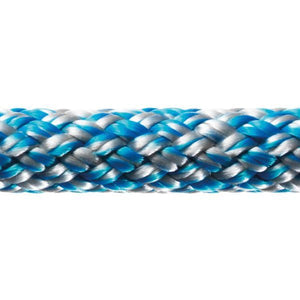 Vendor:Robline
Robline Sirius 500 Dyneema silver/blue
Regular price From €298,61Regular price€331,90-€33,29 Sale price From €298,61 -
-€24,09
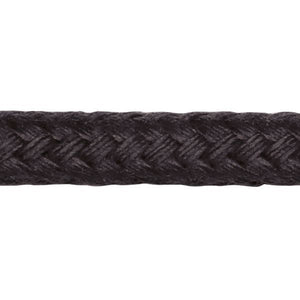 Vendor:Robline
Robline Neptun 500 Universal Leash Black
Regular price From €215,81Regular price€239,90-€24,09 Sale price From €215,81 -
-€4,40
 Vendor:Robline
Robline Sirius 500 – High-performance halyard with Dyneema core and polyester cover
Regular price From €38,50Regular price€42,90-€4,40 Sale price From €38,50 -
-€17,99
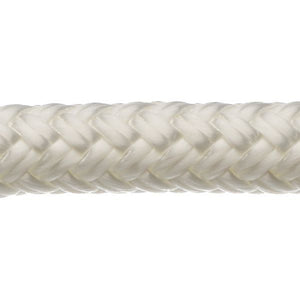 Vendor:Robline
Robline Orion 300 all-round leash white L=200m
Regular price From €160,91Regular price€178,90-€17,99 Sale price From €160,91 -
-€206,81
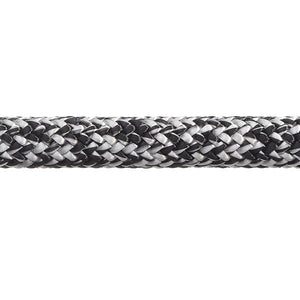 Vendor:Robline
Robline Admiral 7000 Dyneema black/white L=200m
Regular price From €719,09Regular price€925,90-€206,81 Sale price From €719,09 -
 Vendor:Robline
Robline Dyneema Halyard with Spliced Eye – Lightweight High-Performance Halyard
Regular price From €159,90Regular price€159,90Sale price From €159,90 -
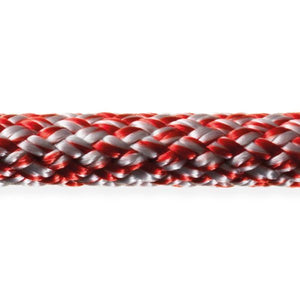 Vendor:Robline
Robline Sirius 500 Dyneema silver/red
Regular price From €331,90Regular price€331,90Sale price From €331,90 -
-€24,09
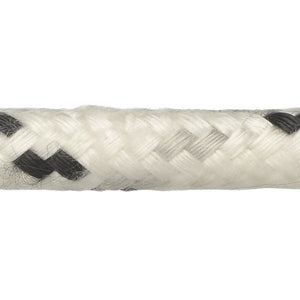 Vendor:Robline
Robline Neptun 500 Universal leash white/black
Regular price From €215,81Regular price€239,90-€24,09 Sale price From €215,81 -
-€33,29
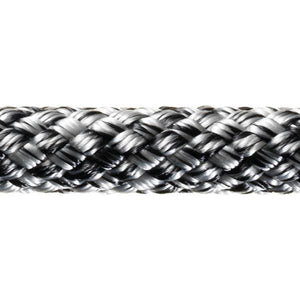 Vendor:Robline
Robline Sirius 500 Dyneema silver/black
Regular price From €298,61Regular price€331,90-€33,29 Sale price From €298,61 -
-€160,82
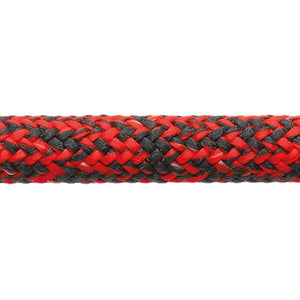 Vendor:Robline
Robline Sirius XTS Dyneema red/black/white L=200m
Regular price From €559,08Regular price€719,90-€160,82 Sale price From €559,08 -
 Vendor:Robline
Robline Sirius 500 – High-performance halyard with Dyneema core and polyester cover
Regular price From €42,90Regular price€42,90Sale price From €42,90 -
-€9,52
 Vendor:Robline
Robline Dyneema Halyard with Spliced Eye – High-Strength Rope for the Masthead
Regular price From €150,38Regular price€159,90-€9,52 Sale price From €150,38


Deine Fragen / Unsere Antworte
- What diameter do I need for my halyards?
- That depends directly on your blocks and clutches – most manufacturers specify an allowable line diameter. Also, measure your old halyard if it ran without problems, and use that value as a starting point.
- What is the difference between a polyester core and a Dyneema core halyard?
- Polyester stretches more under load, which is often tolerable for cruising. Dyneema cores have significantly less stretch and are well suited when precise trim is important – but they are also more sensitive to kinking and UV without a protective cover.
- How do I know when a halyard needs to be replaced?
- Check the end points for broken or hardened strands, see if the cover is chafed through, and feel the halyard for hardening inside. If any of these areas are noticeable, it's better to replace it early rather than risk the halyard failing under load.
- Can I shorten and splice a halyard myself, or do I need expertise?
- Simple rope splices can be done yourself with some practice, but high-performance fibers like Dyneema require specific splicing techniques that differ from standard polyester splices. If you are unsure, you should leave the work to an experienced rigger – a poorly spliced halyard holds significantly less than stated.