
Blocks with ball bearings
Perfect Trim and Control
Ball bearing blocks are all about trim, control, and reliable power transmission on board.
When choosing, breaking load, diameter, and compatibility with your existing hardware are important. Ball bearings run smoothly under load, while plain bearings are robust and low-maintenance.
This ensures sail handling remains precise, smooth, and durable.
Discover variants, materials, and designs built for marine use. This way, you'll find equipment that remains reliable on board – season after season.
Skip to product grid
-

 Vendor:Rutgerson
Rutgerson StandUp Block Ball Joint onDeck – Self-Aligning Deck Block
Regular price From €526,90Regular price€526,90Sale price From €526,90 -
-€0,10

 Vendor:Selden
Seldén BBB StandUp Block – single sheave ball bearing block with head strap
Regular price From €17,80Regular price€17,90-€0,10 Sale price From €17,80 -
-€0,10

 Vendor:Rutgerson
Rutgerson ROC Block – ball-bearing high-load block with needle-bearing axle
Regular price From €310,80Regular price€310,90-€0,10 Sale price From €310,80 -
-€8,20
 Vendor:Selden
Seldén BBB60 Double Ball Bearing Block with Swivel Shackle
Regular price €117,70Regular price€125,90-€8,20 Sale price €117,70 -
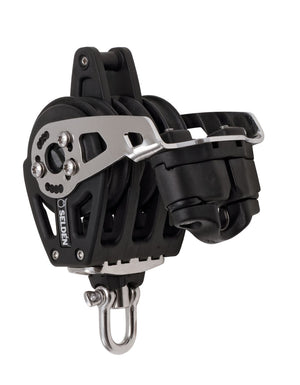 Vendor:Selden
Seldén Three-Disc Ball Bearing Manual Ratchet Block MRB60 with Swivel Shackle, Bottom Bracket and Clamp
Regular price €268,90Regular price€268,90Sale price €268,90 -
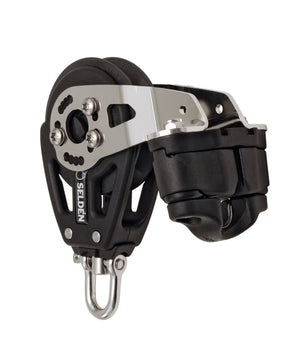 Vendor:Selden
Seldén Single Disc Ball Bearing Manual Ratchet Block MRB60 with Swivel Shackle and Clamp
Regular price €146,90Regular price€146,90Sale price €146,90 -
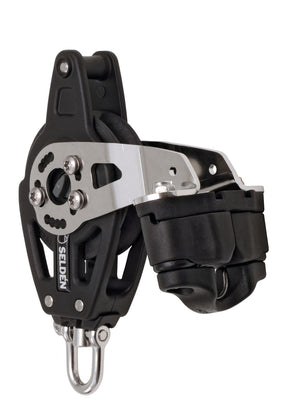 Vendor:Selden
Seldén Single-Disc Ball Bearing Manual Ratchet Block MRB60 with Swivel Shackle, Bottom Bracket and Clamp
Regular price €150,90Regular price€150,90Sale price €150,90 -
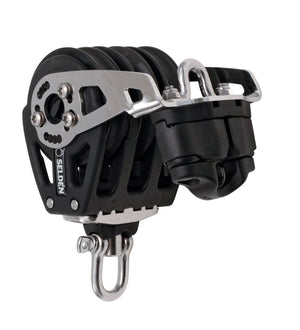 Vendor:Selden
Seldén Three-Disc Ball Bearing Manual Ratchet Block MRB60 with Swivel Shackle, Bottom Bracket and Clamp for Fine Adjustment
Regular price €222,90Regular price€222,90Sale price €222,90 -
 Vendor:Selden
Seldén Ball Bearing Block BBB20 – Single with Becket
Regular price €50,90Regular price€50,90Sale price €50,90 -

 Vendor:Selden
Seldén Soft Attachment Single Block – Ball Bearing Block for Lashing
Regular price From €19,90Regular price€19,90Sale price From €19,90 -

 Vendor:Rutgerson
Rutgerson RAW Block 60 mm – ball-bearing double block with swivel shackle
Regular price €111,90Regular price€111,90Sale price €111,90 -
 Vendor:Selden
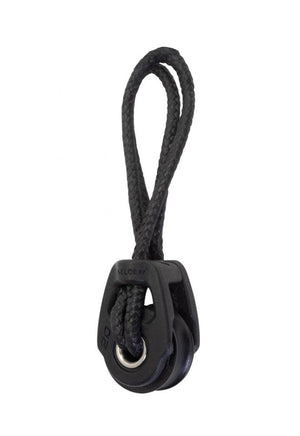
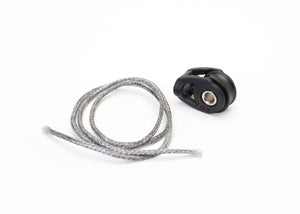
Seldén Soft Attachment Blocks Single Sheet with Binder
Regular price From €37,90Regular price€37,90Sale price From €37,90 -
-€0,10
 Vendor:Selden
Seldén Ball Bearing Block BBB20 – double with stand-up spring and fairlead
Regular price €45,40Regular price€45,50-€0,10 Sale price €45,40 -
-€0,10

 Vendor:Selden
Seldén Soft Attachment Block – double sheave block for lashing
Regular price From €37,80Regular price€37,90-€0,10 Sale price From €37,80 -

 Vendor:Rutgerson
Rutgerson RAW Block 60 mm – Double-sheave ball-bearing block with swivel shackle
Regular price €118,90Regular price€118,90Sale price €118,90 -
-€0,10
 Vendor:Selden
Seldén BBB Single Block with Swivel – Ball Bearing
Regular price From €32,80Regular price€32,90-€0,10 Sale price From €32,80 -
 Vendor:Selden
Seldén BBB Triple Block with Swivel and Cleat – Ball Bearing
Regular price From €206,90Regular price€206,90Sale price From €206,90 -

 Vendor:Selden
Seldén BBB single block with soft attachment – ball bearing
Regular price From €18,90Regular price€18,90Sale price From €18,90 -
 Vendor:Selden
Seldén BBB Block – double with becket, ball bearing
Regular price From €48,50Regular price€48,50Sale price From €48,50 -
 Vendor:Selden
Seldén BBB Deck Bushing – Single Sheave Ball Bearing Block
Regular price From €23,50Regular price€23,50Sale price From €23,50


Deine Fragen / Unsere Antworte
- How do I know what rope diameter a block can handle?
- Every block specifies a recommended rope diameter – stick to it, even if a thinner rope would technically still fit. A rope that's too thin will cut into the sheave and lose strength; a rope that's too thick will jam and increase friction so much that the advantage of the ball bearing is lost.
- Ball bearings or plain bearings – what's better for my boat?
- Ball bearings run much smoother under load and are the better choice wherever you move the rope frequently and under tension, for example on the mainsheet. Plain bearings are more robust against dirt and require little maintenance – useful in less stressed areas such as a vang turning point.
- My ball bearing block runs stiff after winter – what should I do?
- Usually, salt crystals have settled in the bearing gap. Rinse the block with fresh water, let it dry, and then apply a drop of creeping corrosion protection oil directly into the bearing. Afterward, turn the sheave by hand until it runs smoothly again.
- Can I directly replace a plain bearing block with a ball bearing block?
- Often yes, but first check the mounting dimensions and housing width: ball bearing blocks are sometimes slightly wider than comparable plain bearing blocks due to their design. The breaking load of the new block should also at least match that of the old one.