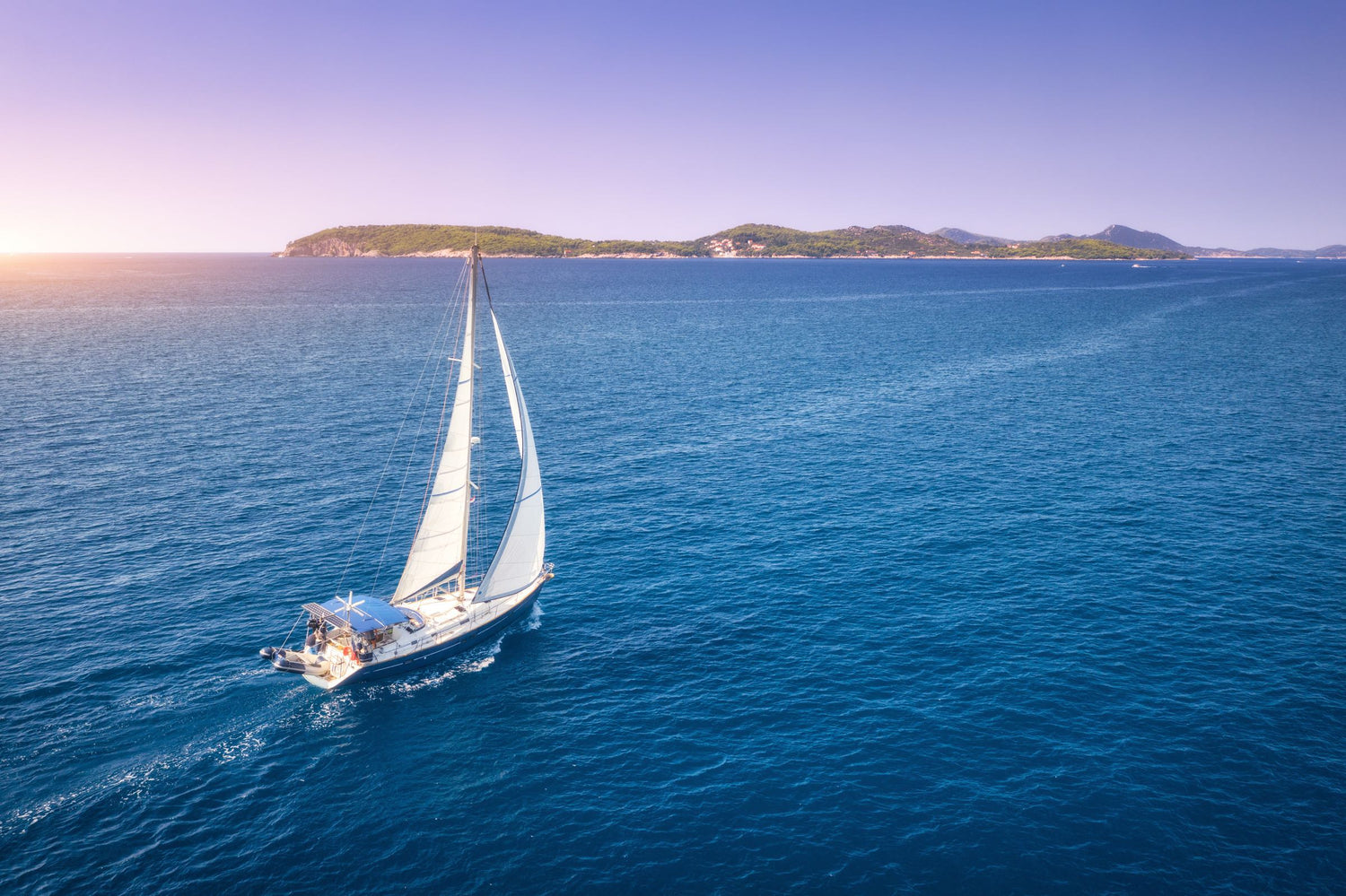
Mooring lines, pre-assembled
Find the right solution for your boat
In pre-assembled mooring lines, you'll find selected products that reliably function in everyday maritime life. Dimensions, material, and the specific area of application are crucial – you'll find this information in the product data.
Browse through variants, compare features, and find the version that truly suits your boat.
This way, the equipment fits not only on paper but also on board.
Discover variants, materials, and designs built for maritime use. This way, you'll find equipment that remains reliable on board – season after season.
Skip to product grid
-
 Vendor:1852
1852 Double Braided Mooring Line with Snap Hook – 6 m
Regular price From €25,50Regular price€25,50Sale price From €25,50 -
-€1,34
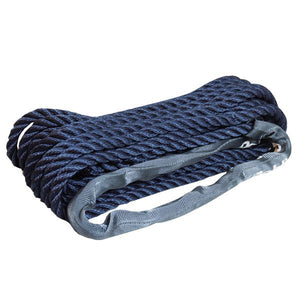 Vendor:Robline
10m mooring line, blue, with eye and chafe protection
Regular price From €21,56Regular price€22,90-€1,34 Sale price From €21,56 -
-€1,70
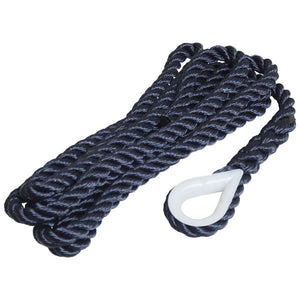
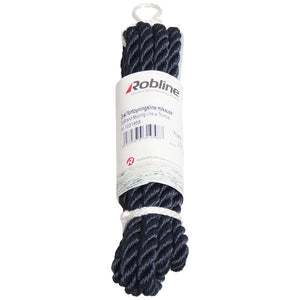 Vendor:Robline
Robline mooring line, triple-laid, navy blue with thimble
Regular price From €9,80Regular price€11,50-€1,70 Sale price From €9,80 -

 Vendor:1852
1852 Mooring line with spliced eye — double braided, 4 m
Regular price From €15,50Regular price€15,50Sale price From €15,50 -

 Vendor:Unimer
Unimer Inline Snubber – Rubber Mooring Shock Absorber
Regular price From €6,90Regular price€6,90Sale price From €6,90


Deine Fragen / Unsere Antworte
- What diameter do I need for my boat?
- As a rough rule of thumb: about 1 mm diameter per foot of boat length. So a 30-foot boat will do well with 10 mm mooring lines. For heavily exposed berths or heavy yachts, it is better to choose one size thicker.
- What does it mean if the eye is 'whipped'?
- Whipping involves wrapping the eye with serving twine and securing it – a classic, solid method. Spliced eyes are considered more resilient because the rope strands are interwoven. For permanently stressed mooring lines, spliced eyes are the better choice.
- How long should a mooring line for the pier be?
- For pier mooring lines, it is usually calculated at 1.5 to 2 times the boat length, so that tidal range or swell allows sufficient play. Spring lines and breast lines can be shorter – the specific berth dictates this.
- Can I leave a nylon mooring line permanently at the pier?
- Nylon stretches a lot and has good elasticity, but it becomes brittle faster than polyester with permanent UV exposure. Anyone leaving the mooring line in the water for the entire season is generally better off with polyester. Nylon is particularly recommended where shock loads from current or swell need to be absorbed.